
I'm in Hot Water: Understanding This Common English Idiom and Its Usage in Everyday Conversation
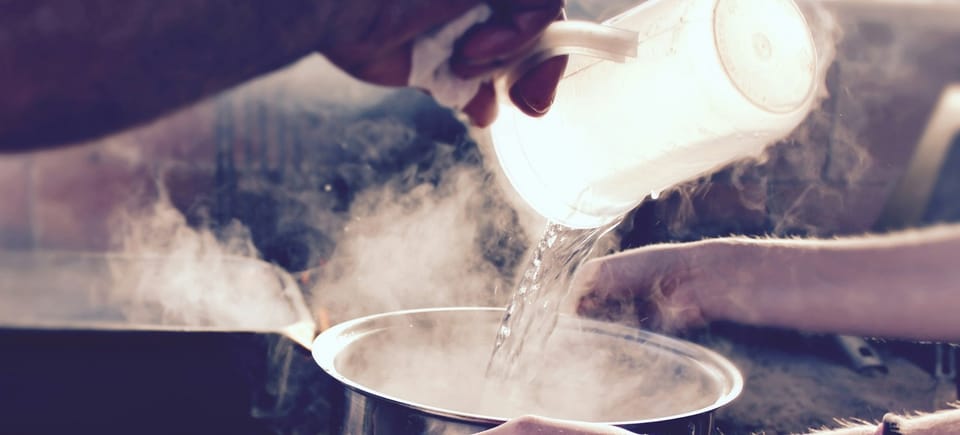
Understanding the Idiom "I'm in Hot Water"
The phrase "I'm in hot water" is an idiom commonly used in English to indicate that someone is in trouble or facing a difficult situation. Much like the discomfort one would feel if they were literally in hot water, this expression conveys a sense of trouble, stress, or challenge that one needs to address.
How to Spot Real and Fake Words on the Duolingo English Test: Best Tips for SuccessOrigin of the Idiom
Idioms often have historical roots, and while the exact origin of "in hot water" isn't clear, it likely stems from the uncomfortable and dangerous feeling of being placed in boiling or very warm water. Over time, this imagery evolved into a metaphor for being in difficult circumstances.
Examples of Usage
-
In the Workplace: - "After missing the project deadline, I'm in hot water with my boss."
- This means the speaker is in trouble with their boss because they failed to meet an important deadline.
-
Family Situations: - "I'm in hot water with my parents because I forgot to do my chores."
- Here, the speaker is likely facing some form of reprimand or disappointment from their parents due to neglecting their responsibilities.
-
School and Academics: - "If I don't study for the exam, I'll be in hot water with my teacher."
- The speaker anticipates trouble with their teacher if they don't prepare adequately for an upcoming test.
-
Social Scenarios: - "I double-booked my plans. Now I'm in hot water with both my friends."
- By scheduling two events at the same time, the speaker is in a difficult social situation as they need to resolve the conflict and possibly apologize.
Variations in Usage
While "I'm in hot water" is a common expression, similar idioms might be used interchangeably in different regions or contexts, such as "I'm in trouble" or "I'm up the creek without a paddle." Each of these phrases conveys a sense of difficulty or problematic situations, though with subtly different imagery.
Practicing the Idiom
Try using "I'm in hot water" in different contexts to get a feel for how it can describe various kinds of trouble:
- "Since I forgot my girlfriend's birthday, I'm definitely in hot water."
- "After breaking the neighbor's window with a ball, the kids are in hot water with the homeowners."
Understanding idioms like "I'm in hot water" not only enriches your English vocabulary but also gives you insight into cultural expressions and how English speakers convey complex emotions and situations succinctly.
Origins and History of the Phrase
The phrase "in hot water" is thought to have its roots in ancient traditions where hot water or heated baths were used as a form of punishment or interrogation. In many cultures, the idea of being in hot water has long been associated with discomfort and peril. This literal foundation eventually evolved into a metaphorical expression used to describe facing trouble or precarious situations.
One of the earliest recorded uses of the idiom in English literature dates back to at least the 16th century. During this time, many idiomatic expressions began to emerge as language and culture evolved. The concept of "hot water" as synonymous with trouble likely appeared due to the tangible and universally recognizable sensation of physical discomfort caused by high temperatures.
Folklore also offers insights into the idiom's origins. For instance, tales of individuals finding themselves in boiling water often underscore themes of recklessness or ignorance leading to negative consequences. In this way, the phrase encapsulates the idea of one's actions leading to a predicament.
The idiom has persisted across centuries primarily due to its vivid imagery and its ability to effectively convey the notion of being in a difficult spot. As the English language spread globally through colonization and cultural exchange, many such idioms were carried along, embedding themselves in various forms of communication and literature.
The notion of "hot water" as linked with trouble is not exclusive to English. Similar expressions have appeared in different languages and cultures, pointing to a shared human experience and understanding. For example, in German, the phrase "in der Tinte sitzen" (to sit in the ink) serves a similar purpose of illustrating being in trouble, though the imagery differs.
Literary references over the years have continued to cement the idiom's place in the English language. Writers and poets often employ it to succinctly describe their characters' predicaments, thereby ensuring its continued relevance in modern discourse.
The enduring nature of "I'm in hot water" demonstrates the power of idiomatic language to convey complex ideas with simplicity and relatability. Its historical journey from a literal interpretation to a richly metaphorical expression highlights the dynamic nature of language and its ability to adapt to human experiences across time and cultures.
Common Situations Where the Phrase is Used
The idiom "in hot water" is widely used in various contexts to convey that someone is in trouble or facing a difficult situation. Here are some common scenarios where this phrase might typically be used:
Check Your English LevelProfessional Settings
-
Workplace Mistakes: - "After accidentally leaking confidential information, John's really in hot water with the management."
- This implies that John is in trouble with his company's leaders due to a serious mistake.
-
Client Relations: - "If the project isn't delivered by next week, we're going to be in hot water with the client."
- Missing an important deadline risks damaging the company-client relationship.
Personal Relationships
-
Forgotten Obligations: - "I forgot our anniversary, so now I'm in hot water with my partner."
- This example shows someone potentially facing conflicts or disappointment in their personal relationships due to forgetting an important date.
-
Misunderstandings: - "I made a joke that was taken the wrong way, and now I'm in hot water with my friends."
- Sometimes, miscommunication can lead to unintentional trouble with close ones.
Legal and Financial Issues
-
Unpaid Bills: - "I'm in hot water because I missed the payment deadline for my loan."
- This indicates potential financial trouble due to negligence in settling debts on time.
-
Legal Troubles: - "He's in hot water with the law after the recent incident at the bar."
- Here, the idiom denotes being in trouble with legal authorities due to a public disturbance.

Academic Contexts
-
Plagiarism or Cheating: - "Caught copying during the test, he's in hot water with the school board."
- Academic dishonesty puts students in a precarious position with significant consequences.
-
Falling Behind: - "If I don't catch up with my assignments, I'll be in hot water with my teachers."
- Failing to keep up with academic responsibilities can lead to trouble in school.
Community and Social Dynamics
-
Neighborhood Disputes: - "After the loud party, they're in hot water with the neighbors."
- Neighbors may express grievances due to disturbances, creating social tension.
-
Volunteer Commitments: - "She's in hot water with the committee for missing several meetings in a row."
- Failing to fulfill responsibilities can create friction in volunteer or community groups.
By examining these examples, English language learners can see how "in hot water" applies to various facets of life, highlighting its versatility in describing trouble or precarious situations.
Variations and Similar Idioms in English
When exploring the English language, you'll find that idioms often have variations or counterparts that convey similar meanings. "In hot water" is no exception. Below are several idiomatic expressions that share a similar sense of being in trouble or facing difficulty:
-
In Deep Water: - This idiom is quite similar to "in hot water" and implies being in a situation that is difficult to get out of. - Example: "After taking on too many tasks at once, she realized she was in deep water."
-
In the Doghouse: - Typically used to describe being in trouble with a partner or someone close, especially in social or personal contexts. - Example: "He's in the doghouse with his girlfriend for forgetting their dinner plans."
-
On the Spot: - This expression suggests being under pressure or facing immediate scrutiny. - Example: "When the boss asked unexpected questions, he felt on the spot and struggled to respond."
-
Out of One's Depth: - Implies being in a situation that is beyond one's ability to handle. - Example: "He agreed to lead the new project but soon realized he was out of his depth."
-
On Thin Ice: - Suggests being in a precarious or risky situation where further mistakes could lead to serious trouble. - Example: "After arriving late for the third time, she's on thin ice at work."
-
In a Pickle: - A light-hearted way of saying someone is in a difficult predicament. - Example: "Forgetting his lines during the play, he found himself in quite a pickle."
-
In Hot Soup: - A variant with a similar meaning, indicating that someone is in trouble. - Example: "He's in hot soup after the mishap at the presentation."
Each of these idioms can be used interchangeably in contexts similar to those where "in hot water" would be appropriate, although the nuance and severity of the situation they describe can vary. Understanding and using these variations effectively enables English language learners to express the concept of trouble or difficulty with greater subtleness and richness.
5 Tips for the Read Then Speak Question: Duolingo English TestPractice: How to Use "I'm in Hot Water" in Conversation
Using idioms like "I'm in hot water" can enrich your expression in English, adding color and depth to your conversations. Here's how you can practice using this idiom in different contexts:
At Work
- Situation: You forgot to complete a report on time.
- Example: "I'm in hot water with my boss because I missed the report deadline."
- Situation: You accidentally sent an email with incorrect information.
- Example: "I’m in hot water for sending that email with the wrong figures."
At School
- Situation: You haven't studied for an important test.
- Example: "If I don't pass that test tomorrow, I’ll be in hot water with my parents."
- Situation: You've been skipping classes.
- Example: "I'm in hot water with my teacher for missing so many classes."
At Home
- Situation: You forgot a special occasion, like an anniversary.
- Example: "I forgot our anniversary, and now I’m in hot water with my spouse."
- Situation: You didn’t complete your chores.
- Example: "I’m in hot water for not doing my chores before playing video games."
Social Situations
- Situation: You arrive late to an important social event.
- Example: "I’m in hot water for showing up late to the dinner party."
- Situation: Borrowing something and breaking it.
- Example: "I’m in hot water because I broke my friend’s camera."
Common Scenarios
- At the Office: Suppose you promised to attend a meeting but forgot to show up.
- Example: "Missing that meeting put me in hot water with my colleagues."
- Family Gatherings: If you promised to bring a dish and forgot.
- Example: "Everyone was counting on me, and now I’m in hot water for not bringing the dessert."
Using "I'm in hot water" effectively helps convey that you're in a challenging or troublesome situation, often because of an oversight or mistake. Practice applying this idiom in various scenarios to become more comfortable with its usage. Try to think of situations in your own life where you could use "I'm in hot water" to describe the trouble you're in – real or hypothetical. This will enhance your ability to express yourself vividly and accurately in English conversations.
DET Study provides an extensive suite of over 15,000 practice questions, focusing on leveraging adjectives and adverbs to fortify your grammatical skills. Regular practice with these targeted materials ensures that you approach the Duolingo English Test with enhanced confidence and precision, ready to achieve your desired scores.
🎯 Need more practice? Check out DETStudy.com for expert resources, 15,000+ practice questions, and AI-powered writing and speaking feedback.
Frequently Asked Questions (FAQ)
What does the phrase "I'm in hot water" mean?
What is the origin of the phrase "in hot water"?
Can "in hot water" be used in formal writing?