
How to Talk About the Weather: Essential English Vocabulary and Conversation Tips
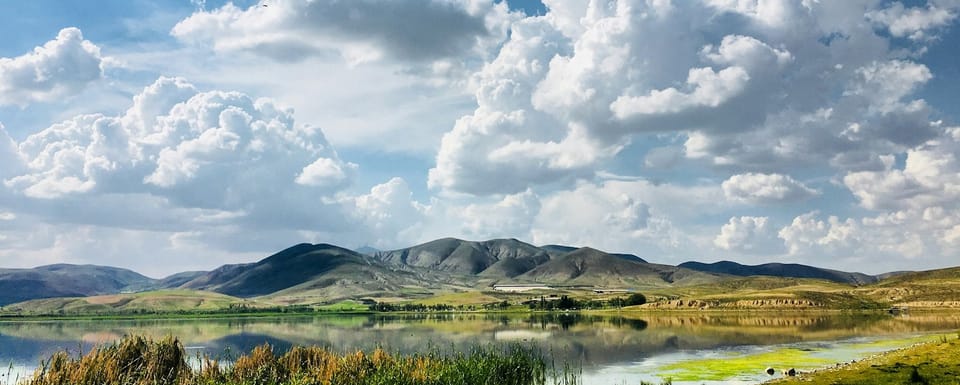
Understanding Basic Weather Vocabulary
Talking about the weather is a common topic in English conversations. Understanding the basic vocabulary can help you communicate effectively and engage in small talk. Here is a list of essential weather-related terms and phrases:
What To Know About The Duolingo English Test (DET) Scoring SystemCommon Weather Conditions
- Sunny: When the sun is shining brightly and there are few or no clouds.
-
Example: "It's a sunny day today, perfect for a picnic."
-
Cloudy: When the sky is covered with clouds.
-
Example: "It looks cloudy today; it might rain later."
-
Rainy: When rain is falling.
-
Example: "Don't forget your umbrella; it's going to be a rainy day."
-
Snowy: When snow is falling.
-
Example: "It's snowy outside, let's build a snowman!"
-
Windy: When there is a lot of wind.
-
Example: "Hold onto your hat; it's very windy today."
-
Stormy: Indicating a storm with rain, thunder, or lightning.
- Example: "The forecast predicts stormy weather this evening."
Temperature Descriptions
- Hot: Very warm, higher temperatures.
-
Example: "It's hot outside; let's go for a swim."
-
Warm: Pleasantly high temperature.
-
Example: "It's warm enough to wear shorts today."
-
Cool: Moderately cold, but not freezing.
-
Example: "The morning is cool; you might need a jacket."
-
Cold: Low temperatures, often uncomfortable.
-
Example: "It's cold today; make sure to bundle up."
-
Freezing: Extremely cold, at or below the freezing point.
- Example: "It's freezing; the pond has turned to ice."
Special Weather Terms
- Foggy: Low thick clouds near the ground, hard to see through.
-
Example: "Driving is difficult when it's foggy."
-
Humid: High moisture in the air, often making it feel warmer.
-
Example: "It's humid today; the air feels heavy."
-
Drizzle: Light rain falling in small drops.
- Example: "It’s only a drizzle; we can still go for a walk."
Questions and Phrases
- "What's the weather like?": A common way to ask about the current weather.
-
Response Example: "It's sunny and warm today."
-
"How's the weather?": Another way to inquire about weather conditions.
-
Response Example: "It's raining heavily."
-
"Looks like rain.": Used when the sky appears cloudy and likely to rain.
- Response Example: "Yes, we should bring an umbrella just in case."
Familiarize yourself with these terms to improve your weather-related conversations!
Try Duolingo TestDescribing Current Weather Conditions
Describing current weather conditions is a great way to start a conversation or respond to someone asking about the weather. This section will help you with some common phrases and examples for discussing the weather right now.
- Sunny: When the sun is shining brightly without clouds.
-
Example: "The sun is out, it's a perfectly sunny day!"
-
Cloudy: When the sky is covered with clouds.
-
Example: "It's quite cloudy today; I think it might rain later."
-
Raining: When rain is falling from the sky.
-
Example: "It's raining cats and dogs; don't forget your umbrella!"
-
Snowing: When snow is actively falling.
-
Example: "Look outside! It's snowing heavily."
-
Windy: Describes when strong winds are blowing.
-
Example: "It's very windy today; the trees are swaying."
-
Stormy: Severe weather conditions with rain, thunder, and lightning.
-
Example: "Be careful if you’re going out; it’s stormy tonight."
-
Overcast: When the sky is completely covered with clouds, but it’s not raining.
-
Example: "The sky is overcast, so it's likely to rain soon."
-
Drizzling: Light rain falling continuously in fine drops.
-
Example: "It's just drizzling; we can still walk without getting too wet."
-
Misty: Light fog that makes it difficult to see far.
-
Example: "There's a mist this morning, making the city look mysterious."
-
Hailing: Falling of small ice balls or pellets from the sky.
- Example: "It's hailing! Let's stay indoors until it stops."
To inquire about the current weather conditions, you can ask:
- "What's it like outside?"
-
Response Example: "It's sunny and a bit breezy."
-
"Is it raining?"
-
Response Example: "Yes, it started raining an hour ago."
-
"How's the weather today?"
- Response Example: "It's overcast but dry."
These expressions will help you effectively communicate and understand the current weather conditions. You can also use them to explain what activities might be suitable, like walking in the park on a sunny day or reading a book indoors when it's stormy.
Discussing Future Weather Forecasts
Talking about future weather forecasts involves using phrases that indicate anticipated weather conditions. These conversations can help plan activities and make necessary preparations. Here are some common expressions and examples for discussing future weather.
- Forecast: The predicted weather for a certain period.
-
Example: "The forecast says it will be sunny all week."
-
Expected: Used to describe predicted conditions.
-
Example: "Rain is expected tomorrow afternoon."
-
Chance of: This phrase is commonly used to express the probability of different weather conditions.
-
Example: "There’s a 70% chance of thunderstorms on Friday."
-
Predict: Similar to forecast, it’s used to express anticipated weather.
-
Example: "They predict it’ll be unusually hot this summer."
-
Calling for: Indicates that the weather report anticipates specific conditions.
-
Example: "The news is calling for heavy snow this weekend."
-
Likely/Unlikely: Describes the probability of certain weather events happening.
-
Example: "It's likely to be foggy in the morning."
-
Probable: Indicates a high likelihood of a weather event.
-
Example: "It's probable that the temperatures will drop next week."
-
Outlook: A general overview of the expected weather situation.
- Example: "The outlook for the week is mild temperatures with occasional showers."
When inquiring about future weather, you might ask:
- "What's the weather forecast for tomorrow?"
-
Response Example: "It's supposed to be cloudy with a chance of rain."
-
"Do you know if it will rain this weekend?"
-
Response Example: "Yes, there are predictions of rain on Saturday and Sunday."
-
"Will it warm up next week?"
- Response Example: "Yes, temperatures are expected to rise by midweek."
Consider using these phrases when planning outings or discussing upcoming events:
- "Should we plan for a picnic on Saturday?"
-
Response Example: "The forecast is sunny, so it should be perfect for a picnic."
-
"Can we expect more snow this season?"
- Response Example: "The long-term forecast suggests more snow in the coming weeks."
By using these expressions, you can make informed decisions based on the predicted weather and also engage comfortably in discussions about future conditions.

Talking About Weather Preferences
Talking about your weather preferences can help others understand what kind of experiences you enjoy or avoid due to weather conditions. Here are some helpful ways to express your likes and dislikes regarding different types of weather.
Expressing Preferences
- I love/I enjoy + weather condition: Use this phrase to talk about weather you enjoy.
- Example: "I love sunny days because I can spend time outside."
-
Example: "I enjoy a light drizzle; it's perfect for staying in and reading."
-
I'm fond of + weather condition: This phrase is a bit formal but great for expressing liking.
-
Example: "I'm fond of cloudy weather; it feels calming."
-
I prefer + one type of weather over another: Use this to compare and state a preference.
- Example: "I prefer spring weather over winter because it's warmer."
Discussing Dislikes
- I don't like/I dislike + weather condition: Clearly state which weather you don't enjoy.
- Example: "I don't like humid weather; it makes me uncomfortable."
-
Example: "I dislike windy days because they mess up my hair."
-
I'm not a fan of + weather condition: Slightly informal way to express aversion.
-
Example: "I'm not a fan of cold weather; I always feel chilly."
-
I can't stand + weather condition: Stronger expression for particular weather aversion.
- Example: "I can't stand heavy rain, especially when I have to commute."
Explaining Preferences
- Because/Since + reason: Explaining why you have certain weather preferences helps add context.
- Example: "I love snowy weather because it reminds me of my childhood."
- Example: "I dislike the heat since it makes it hard to sleep at night."
Asking About Preferences
To engage others in conversation about their weather preferences, you can ask:
- "Do you like rainy days?"
-
Possible response: "Yes, I do! I find them soothing."
-
"What's your favorite kind of weather?"
-
Possible response: "I love spring weather because everything blooms."
-
"How do you feel about hot weather?"
- Possible response: "Honestly, I find it exhausting; I prefer cooler temperatures."
By using these phrases to discuss weather preferences, learners can share personal tastes and connect with others in conversations about the weather’s impact on daily life.
Using Weather Idioms and Expressions
Weather idioms and expressions are a fun way to enhance your English conversation skills. They can add color and personality to what you're saying. Here are some common weather-related idioms and explanations on how to use them:
- Under the weather: This means feeling ill or unwell.
-
Example: "I'm going to stay home today; I'm feeling a bit under the weather."
-
Every cloud has a silver lining: This means that there is something good in every bad situation.
-
Example: "I was sad about losing the game, but I met new friends there. Every cloud has a silver lining."
-
A storm in a teacup: This phrase describes a small problem that has been exaggerated.
-
Example: "They were arguing over who should do the chores; it was really just a storm in a teacup."
-
Come rain or shine: This means no matter what happens, or regardless of the weather.
-
Example: "I'll be at the park for my run at 7 AM, come rain or shine."
-
It’s raining cats and dogs: This is an old-fashioned way to say it's raining very heavily.
-
Example: "I forgot my umbrella, and now it’s raining cats and dogs!"
-
Save for a rainy day: This expression suggests setting aside resources for a future time of need.
-
Example: "I try to save a little money each month for a rainy day."
-
Throw caution to the wind: This means deciding to behave in a way that is risky or daring.
-
Example: "When I decided to travel alone, I just threw caution to the wind."
-
Break the ice: This idiom is used when trying to start a conversation in a social situation.
-
Example: "He told a joke to break the ice at the beginning of the meeting."
-
Once in a blue moon: This means something that happens very rarely.
-
Example: "We go out for dinner only once in a blue moon."
-
A fair-weather friend: This refers to someone who is only your friend when things are going well.
- Example: "He’s a fair-weather friend; he disappeared when I had problems."
Using these idioms in your daily conversation can make your English sound more fluent and native. Each expression carries a unique meaning often beyond just the words themselves, enriching your ability to express thoughts and feelings.
DET Study provides an extensive suite of over 15,000 practice questions, focusing on leveraging adjectives and adverbs to fortify your grammatical skills. Regular practice with these targeted materials ensures that you approach the Duolingo English Test with enhanced confidence and precision, ready to achieve your desired scores.
🎯 Need more practice? Check out DETStudy.com for expert resources, 15,000+ practice questions, and AI-powered writing and speaking feedback.
Frequently Asked Questions (FAQ)
How do I start a conversation about the weather?
What are some common weather-related expressions in English?
Why is talking about the weather a typical conversation starter?